Heat exchangers sit at the heart of every gas boiler, quietly converting combustion energy into useful heat for your radiators and hot water. When the exchanger is healthy, you get quick warmth, low gas bills, and a quiet system. When it is not, you pay for it twice, once in energy waste and again in repair costs. The snag is that exchanger faults often mimic other problems. A homeowner hears kettling, sees the pressure gauge drift, or notices hot water that flips from hot to cold, and assumes a pump or thermostat is to blame. Sometimes that is right. Sometimes it is the heat exchanger, either restricted with scale or suffering from internal corrosion. Understanding that difference saves days of guesswork and a good chunk of money.
I have walked into countless terraces, semis, and flats across Leicester and the East Midlands with the same story. The heating worked fine last winter, no one touched the thermostat, yet the boiler now cycles on and off and the gas bill has crept up. In more than a few of those cases, the heat exchanger told the tale. This guide breaks down how and why exchangers fail, how engineers diagnose them, and what smart maintenance looks like, whether you are planning ahead or arranging an urgent boiler repair.
What the heat exchanger actually does
A heat exchanger transfers energy from hot flue gases to system water. In a traditional non‑condensing boiler, that happens once, at a high flue gas temperature, and a lot of potential energy escapes out of the flue as water vapour. Modern condensing boilers recover that latent heat by cooling the flue gases below the dew point, roughly 55 C at typical concentrations, so the water vapour in the exhaust condenses and gives up additional heat. The exchanger needs to present a large, clean surface so that transfer happens efficiently.
Most wall‑hung condensing units carry a primary exchanger that sits around the burner, plus a secondary plate heat exchanger for domestic hot water on combination models. The primary circuit heats system water that circulates through radiators. When a hot water tap opens on a combi, the boiler switches flow through the plate heat exchanger, where primary water gives up heat to the cold mains, without mixing. In a system or heat‑only boiler, that plate exchanger is absent and the cylinder coil acts as the secondary side. Each brings its own failure modes.
Primary, secondary, and plate exchangers at a glance
Primary exchangers in condensing boilers are made of stainless steel or aluminium‑silicon alloy. Stainless steel tolerates acidic condensate better and tends to resist long‑term pitting, though it still needs inhibitor in the system water. Aluminium‑silicon gives excellent thermal conductivity and compact size, but it is sensitive to water chemistry. If the pH rises too high, or if sludge sits undisturbed, corrosion accelerates and the metal softens.
Plate heat exchangers, the flat stainless sandwiches bolted together with gaskets or brazed permanently, are favoured for hot water generation in combi units. They deliver rapid heat transfer across many thin channels. Those channels are also perfect traps for magnetite sludge or limescale. A millimetre of limescale adds a thick thermal blanket that starves hot water output.
A secondary coil in an unvented cylinder is larger and less prone to acute blockage, but can fur up all the same in hard water areas such as much of Leicestershire. Every material choice is a trade between thermal performance, size, and tolerance to real‑world water and fuel quality.
Why exchanger problems matter more than they seem
Faulty heat exchangers rarely cause a single neat symptom. They disrupt system hydraulics and combustion. That drives up cycling, noise, and flue gas temperatures. The boiler starts in good faith, hits a high limit, shuts down, and tries again. Each start wastes gas and stresses components. On top of that, blocked condensate paths in the exchanger leave acidic water backed up inside the case. If it overflows, the condensate eats the surrounding metal and electronics.
From a safety standpoint, a cracked primary exchanger can leak combustion products into the case. Most domestic boilers are room‑sealed, so the fan usually carries fumes to the outside, but a compromised seal or severe crack risks carbon monoxide bleeding into the air supply path. That is rare, but it is the scenario that justifies strict testing. A good boiler engineer does not guess at exchanger condition; they measure their way to an answer.
Telltale signs that point toward exchanger trouble
- Hot water runs warm then cold, with the burner cycling, while the heating still works acceptably Loud kettling, hissing, or popping from the boiler case as the burner ramps up Radiators slow to heat despite the burner firing, with a large temperature rise at the flow pipe but tepid returns Repeated lockouts related to overheat, flue temperature, or differential temperature errors, especially after descaling taps or replacing a pump Unexplained pressure fluctuations, and on inspection, evidence of water tracks or white deposits around the primary exchanger or condensate area
A single symptom can point in several directions. For example, kettling can arise from limescale on the primary exchanger, from poor circulation due to a blocked filter, or from incorrect gas pressures. The pattern across symptoms, readings, and tests brings clarity.
Field notes from Leicester homes
Two recent visits illustrate how subtle these faults can be. In a Thurmaston semi with a six‑year‑old aluminium‑silicon combi, the complaint was lukewarm showers and a boiler that hummed angrily for a minute then fell quiet. Static mains pressure looked fine. Radiators heated up eventually. Flow temperature rocketed to 80 C within a minute of demand then tripped an overheat. The plate heat exchanger was heavily scaled on the domestic side. A short descale restored hot water temperature immediately, but during testing the primary heat exchanger whistled and the combustion analysis showed elevated flue temperatures at modest loads. The system water was like black ink. We power flushed, fitted a magnetic filter, dosed inhibitor to 100 ppm molybdate equivalent, and advised annual checks. Had we ignored the primary and left the sludge in place, the plate would have furred again within months.
In a Westcotes flat with a stainless steel primary exchanger, the complaint was pressure loss overnight and the odd smell on first firing. No visible leaks. The condensate trap contained stainless flakes. With the burner at minimum, we saw a slow drip from a pinhole along a weld seam of the primary. Flue gas recirculation had etched the surface where condensate pooled. Replacement of the primary was the only safe route. The owner had deferred servicing for three winters and the condensate neutraliser had long since exhausted. That £450 part plus labour proved more expensive than the combined cost of three routine services.
Leicester sits in a moderately hard water region. Without scale control, plate heat exchangers on combis clog sooner, and kettling under high demand becomes a winter soundtrack. Local boiler engineers who serve the area know to test water hardness onsite, not just assume, and they carry descalers and filters accordingly.
How a good engineer diagnoses heat exchanger faults
Diagnosis starts with simple observations. How fast does the flow temperature rise from a cold start. What is the delta T across the primary exchanger at set load. Is the return thermistor reading sensibly or drifting. Are the radiators uniformly warm or are the first two scorching while the rest stay shy.
Measurements settle the debate. A gas analyser goes in the flue test point to check CO, CO2, excess air, and flue temperature at minimum and maximum rates. On a healthy condensing boiler, flue gas temperatures can sit between 45 and 70 C at condensing loads, climbing higher at full rate. CO to CO2 ratios should be below 0.004 on most appliances when set correctly. If the exchanger is scaled or airflow restricted, those numbers wander, and efficiency sags.
Thermal images help. A blocked section of a primary exchanger shows as a hot streak, while clean parts run cooler because heat transfers into the water. On a plate heat exchanger, primary and secondary side temperatures should converge as expected for the given flow rates. If the domestic side outlet temperature collapses even as the primary side stays hot, restriction is almost certain. Pressure drops across the plate can confirm it.
Water quality tests close the loop. A TDS meter on the tap tells you roughly how hard the incoming mains is. A quick on‑site hardness test using test strips, followed by inhibitor tests for molybdate, nitrite, or phosphate as appropriate, reveals whether the system chemistry has been maintained. Iron content in the system water hints at active corrosion. If you draw a magnet through drained water and it comes out pasted black, the exchanger has been bathing in magnetite for years.
No one should ignore the condensate path. A blocked trap or neutraliser bottle sends acidic water back into the exchanger casing. Lifting the trap and checking for stones of scale or metal shards prevents misdiagnosis. The flue and seals get a close visual inspection as well. A crack in the primary exchanger can sometimes be heard as a Click here for more info faint whine at light load and can sometimes be seen as a white track of dried condensate around a seam.
Good engineers do not skip the basic mechanics. If the pump is failing to move water properly, the exchanger overheats and kettles for innocent reasons. Differential temperature at the boiler pair of connections should often sit around 10 to 20 C depending on the control strategy. Anything higher at normal load with a cool home points to either restriction or insufficient circulation.
What homeowners can safely check before calling for gas boiler repair
There is a clear line between safe checks a homeowner can do and tasks that belong to a Gas Safe registered boiler engineer. If you suspect a heat exchanger issue, turn the system off if you smell fumes or see leaks. You can check that radiators are bled, that the system pressure on a sealed system sits around 1.0 to 1.5 bar cold, and that the condensate pipe is not frozen or visibly blocked outside. You can also listen. If you hear high‑pitched kettling or popping as soon as the burner lights, stop and book a professional.
Pictures and notes help speed a visit. Record when symptoms happen, whether it affects heating, hot water, or both, and whether it worsens with high demand, such as bath filling. If you are in Leicester and you need local emergency boiler repair, those details make same day boiler repair more likely to end in a complete fix rather than a temporary patch.
Repair, replacement, and the economics in plain terms
Whether to repair or replace a heat exchanger hinges on three parts of the equation: cost of the part and labour, expected remaining life of the boiler, and the state of the wider system. Primary heat exchangers for common domestic boilers typically range from £200 to £650 for the part. Labour for a skilled boiler repair sits between £200 and £500 depending on access and the model. Plate heat exchangers are usually kinder on the wallet, from £80 to £250, and can often be swapped in an hour if isolation valves cooperate.
Time matters, especially in winter. For urgent boiler repair requests, availability of parts often decides action. Popular brands hold stock locally, while older or obscure models need next‑day delivery. That is when same day boiler repair sometimes becomes next day boiler repair same day testing and diagnosis, with temporary heat provided if possible.
There are thresholds where replacement becomes logical. If the boiler is 12 to 15 years old, out of warranty, with an aluminium‑silicon primary showing clear corrosion and several other weary components, pouring £800 to £1,200 into a primary replacement rarely pays back. For a five‑year‑old stainless primary under warranty, repair is a straightforward call. Even so, no heat exchanger goes back into a filthy system. If the system water is black and gritty, you budget for cleansing, filters, and inhibitor, or you plan to do the same job twice.
Aluminium‑silicon versus stainless steel
Material choice on primary exchangers has become almost a badge of brand identity. Aluminium‑silicon conducts heat very well, which makes for compact, highly responsive boilers. It also requires strict control of system pH, often around 7 to 8.5 depending on the manufacturer. Inhibitor type must match, and hard water scale on an aluminium surface tends to cling stubbornly. Strong descalers can attack the base metal if the contact time or concentration is wrong.
Stainless steel exchangers tolerate a wider pH band and, in my experience, hold up better to neglected inhibitor levels. They are not invincible. Chloride stress corrosion, acidic condensate pooling, and oxygen ingress will still find a way if the system is left to its own devices. Stainless designs sometimes carry wider waterways that resist clogging but still struggle if magnetite loads are high.
For homeowners, the lesson is not to swear loyalty to a metal, but to maintain the water chemistry. If you own an aluminium primary, do not let a well‑meaning but uninformed contractor flush with a caustic solution and walk away. If you own stainless, do not assume it forgives a decade without inhibitor.
How heat exchangers fail and what starts the slide
Scale is the obvious enemy in hard water areas. At 300 ppm total hardness, water deposits roughly 1.5 grams of limescale per 100 litres for every 10 C temperature rise if left untreated. In a plate heat exchanger, that accumulates in the channels that carry domestic mains water. Kettling is the sound of water flashing to steam on hot, scaled surfaces, then collapsing back to water with each bubble implosion. In extreme cases, the miniature steam hamm ers pit the metal and accelerate corrosion.
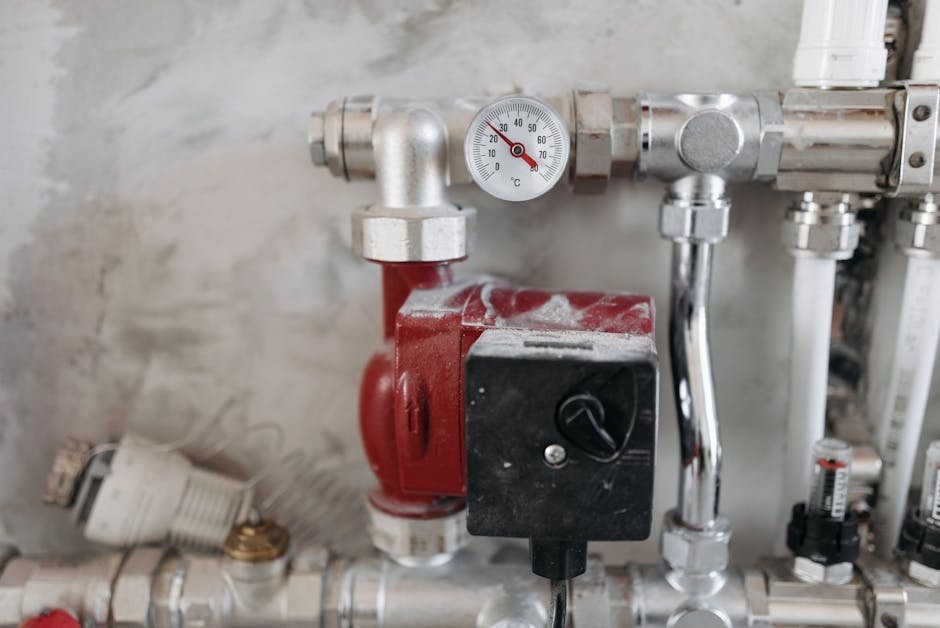
Sludge is the quieter enemy. When steel radiators and mild steel pipework give up iron into poorly inhibited water, that iron oxidises to magnetite, a very fine black powder. Pumps try to move this paste through narrow waterways in the exchanger and get nowhere. The exchanger sees reduced flow and overheats, the boiler locks out, and everyone blames the PCB. The cure is system cleaning, filters that trap magnetite, and oxygen barriers where plastic pipe is present.
Oxygen ingress from open vented systems, micro leaks that pull air in as water cools, and under‑sized expansion vessels all feed corrosion cycles. Short cycling because of poorly set controls adds thermal stress. Poor combustion, whether due to faulty gas valves or blocked flues, raises flue gas temperatures and increases the rate at which condensate acidity bites into metal. A blocked condensate trap returns that acid to places it should never go.
What a thorough service does for exchanger longevity
A proper service protects the exchanger. Annual checks on a condensing boiler should include cleaning the primary heat exchanger surfaces with manufacturer approved brushes, clearing the condensate trap and sump, and inspecting the burner seal. Combustion analysis at high and low rates tells you if the air to gas mixture is right. The engineer should remove and rinse the plate heat exchanger on combis if there is any hint of restriction, or chemically flush it with a purpose‑made solution at safe concentrations.
System water gets tested and topped up with appropriate inhibitor. I target manufacturer recommended levels, which typically sit around 700 to 1,200 ppm as measured by their specific test kits, or around 100 ppm of active molybdate where that is the chemistry in use. A magnetic filter fitted on the return to the boiler traps magnetite before it clogs the exchanger. Where plastic pipe is used, confirming oxygen‑barrier grade pipework guards against constant replenishment of dissolved oxygen.
Controls matter too. Setting weather compensation where available keeps return temperatures low enough to encourage condensing operation, which improves efficiency and smooths thermal loads on the exchanger. On many systems, a 10 to 15 C delta T across radiators is a good target for comfort and efficiency. Oversized pumps or constantly high speeds reduce condensing time and can drive noise.
What to expect from a professional boiler repair visit
When you call for gas boiler repair, the first visit should focus on safe diagnosis, not a random swap fest. If you book urgent boiler repair, ask whether the engineer carries common plate heat exchangers, seals, and condensate traps. A reliable team will tell you where they stand on parts availability before they arrive. In Leicester, local boiler engineers who advertise boiler repairs Leicester or boiler repair Leicester usually know the typical faults on the local housing stock, whether it is a combi perched in a kitchen cupboard off Narborough Road or a system boiler in a loft in Birstall.
The engineer should check combustion, measure delta T, inspect the condensate, and assess water quality. If the plate exchanger is blocked, they can often isolate, remove, and descale it on the spot. Primary exchanger failure takes longer. It may require draining the boiler, splitting the case, transferring seals and sensors, and re‑sealing the combustion chamber. Expect two to four hours if access is kind and parts fit first time. An honest engineer will show you the debris that came out and the readings before and after.
Documentation matters. Keep the service report, combustion analysis printouts, and any chemical test results. If a future warranty claim arises or if you sell the house, those records make life easier.
A homeowner’s quick plan when exchanger issues are suspected
- Kill power and gas at the boiler if you smell combustion fumes, see water dripping from the case, or notice scorch marks Check system pressure on sealed systems and top to the manufacturer range if safe to do so, usually around 1.0 to 1.5 bar when cold Inspect the visible part of the condensate pipe outside for freezing or blockage in cold weather Note whether the fault affects heating, hot water, or both, and whether it worsens under high demand Book a Gas Safe registered boiler engineer and state any pattern of kettling, cycling, or error codes for quicker same day boiler repair
If you need local emergency boiler repair and you are in the LE postcode area, ask whether a boiler engineer can attend with descaling gear and a common plate exchanger. That simple question prevents a wasted trip when hot water is the urgent need.
Case study: the plate heat exchanger that faked a sensor fault
A Kirby Muxloe household called for intermittent hot water that dropped to lukewarm, with the boiler throwing a domestic hot water sensor error. On arrival, the thermistor read correctly at rest and under hot water demand when tested in situ. But the outlet water would climb to 48 C, drift down to 38 C, then bounce back. The primary flow temperature sat nailed at 75 C while the plate outlet swung. Pressure across the plate showed a 0.5 bar drop on the domestic side at 9 litres per minute.
We isolated and removed the plate exchanger. Backflushing produced a stream of chalk and brown flakes. Ten minutes with a mild phosphoric acid solution, a thorough rinse, and a reinstall returned hot water delivery to a steady 50 to 55 C at the same flow. Combustion numbers improved by a small but real amount, about a 5 C drop in flue gas temperature at the same demand. We added a scale reducer on the cold feed to the combi and dosed the heating side with fresh inhibitor. The total visit took two hours and cost less than half of a new plate. That same plate would have blocked again in short order had we skipped the inhibitor and scale control.
New boiler versus major exchanger repair
Sometimes the figures do not support repair. A ten‑year‑old combi with a rotted aluminium primary, noisy fan, tired diverter valve, and a PCB that shows corrosion is on borrowed time. The sum of parts and labour starts to approach the cost of a new, efficient boiler with a long warranty. A modern condensing unit with weather compensation and a stainless primary can cut gas consumption by 10 to 20 percent compared to a neglected older unit, depending on system design and controls. If the property will stay in the family for years, that saving becomes meaningful.
Where budgets are tight or the property is a rental that needs heat back today, targeted repair plus strong system cleansing can buy years. That is where same day decision making matters. A transparent quote with options helps. If a local boiler engineer offers both paths, ask for the numbers in writing and compare them over a two to five year horizon.
Preventing the next heat exchanger problem
Prevention is an unglamorous list of small disciplines that together save hundreds. Keep system inhibitor within the manufacturer’s band and verify annually. Fit a magnetic filter on the boiler return if you do not already have one, and clean it at every service. Where water hardness exceeds about 150 ppm as CaCO3, protect the domestic hot water side of combis with an inline scale reducer or a water softener where appropriate. Confirm the condensate trap and lines are clear and the neutraliser, if fitted, is not exhausted. If your boiler supports weather compensation, ask your engineer to commission it properly. Lower return temperatures improve condensing time and reduce stress on the exchanger.
If you are arranging boiler repairs Leicester, mention any prior flushing or inhibitor history. Accurate history helps an engineer plan the right chemical approach and avoid mixing incompatible inhibitors. On mixed metal systems, especially with aluminium primaries, the wrong chemical cocktail does real damage.
Safety, legality, and good practice
Any work on the gas train, combustion chamber, or flue must be carried out by a Gas Safe registered engineer. Watching an online video and attempting to strip a primary exchanger without training is risky. Combustion seals matter. A warped seal or a reused O‑ring in the wrong place can compromise room sealing. A cracked primary heat exchanger is a stop‑use event. Do not run the boiler while waiting for parts. Carbon monoxide alarms are a backstop, not a permission slip.
For landlords, annual gas safety checks are a legal minimum. They are also an opportunity to catch an exchanger problem before winter strains the system. For homeowners, a proper annual service often costs less than the energy wasted by a poorly condensing system over a single cold snap.
Terminology decoded, briefly
A few quick terms reduce confusion while speaking with your engineer. Condensing means the boiler cools flue gases enough to condense water vapour, capturing latent heat. SEDBUK and ErP are efficiency standards and labelling regimes in the UK and EU. Modulating refers to a burner that adjusts its flame size to match demand. Delta T is the temperature difference between flow and return water. Kettling is localised boiling at hot spots in the exchanger. A plate heat exchanger is the thin stacked unit that transfers heat between primary water and mains water in a combi. The condensate trap is the water seal that collects and drains acidic water from the condensing process. A neutraliser raises the pH of that condensate before it enters the drain.
When to call and what to say
Do not wait for a full breakdown. If kettling starts, if hot water falls flat while heating is fine, or if lockouts tied to overheat start appearing, call for gas boiler repair. If you are in Leicester and heat or hot water is out, ask directly for urgent boiler repair. Explain that you suspect a heat exchanger issue because of kettling, fluctuating hot water, or rapid cycling. Ask if they can attend with a replacement plate heat exchanger and seals or whether parts need ordering. If you need boiler repair same day, be open about access and parking so time onsite goes into diagnosis, not logistics.
Local emergency boiler repair teams hear these calls all winter. Good ones triage over the phone and arrive with the right kit. The better you describe the pattern of symptoms, the faster they can get you back to normal.
The quiet payoff of a clean, efficient heat exchanger
A clean heat exchanger does not make a fuss. It just keeps your home warm at the lowest gas rate the weather allows. The plume at the flue stays light because more of the water has condensed inside. The boiler modulates instead of slamming on and off. Radiators reach temperature evenly. The service visit is boring, which is exactly what you want. When you stack those small wins over several winters, you spend less on fuel and far less on repairs.
When exchanger problems crop up, they reward careful thinking. A scattergun approach replaces parts expensively and slowly. A methodical diagnosis finds the root cause and fixes it in one go. In Leicester, in Loughborough, in Hinckley, or anywhere else, the pattern holds. Choose a qualified boiler engineer who measures, explains, and treats the water as seriously as the metal. That is how heat exchangers last.
If your system is already grumbling, do not lose heart. Most exchanger issues can be put right the same day if parts are at hand. And most of the rest can be neutralised with a short plan: clean what is clogged, protect what is clean, and keep the chemistry honest. When you do, the silent lump of metal at the core of your boiler returns to what it does best, trading flame for comfort without complaint.
Local Plumber Leicester – Plumbing & Heating Experts
Covering Leicester | Oadby | Wigston | Loughborough | Market Harborough
0116 216 9098
[email protected]
www.localplumberleicester.co.uk
Local Plumber Leicester – Subs Plumbing & Heating Ltd deliver expert boiler repair services across Leicester and Leicestershire. Our fully qualified, Gas Safe registered engineers specialise in diagnosing faults, repairing breakdowns, and restoring heating systems quickly and safely. We work with all major boiler brands and offer 24/7 emergency callouts with no hidden charges. As a trusted, family-run business, we’re known for fast response times, transparent pricing, and 5-star customer care. Free quotes available across all residential boiler repair jobs.
Service Areas: Leicester, Oadby, Wigston, Blaby, Glenfield, Braunstone, Loughborough, Market Harborough, Syston, Thurmaston, Anstey, Countesthorpe, Enderby, Narborough, Great Glen, Fleckney, Rothley, Sileby, Mountsorrel, Evington, Aylestone, Clarendon Park, Stoneygate, Hamilton, Knighton, Cosby, Houghton on the Hill, Kibworth Harcourt, Whetstone, Thorpe Astley, Bushby and surrounding areas across Leicestershire.
Google Business Profile:
View on Google Search
About Subs Plumbing on Google Maps
Knowledge Graph
Latest Updates
Follow Local Plumber Leicester:
Facebook |
Instagram

Visit @subs_plumbing_and_heating on Instagram
Gas Safe Boiler Repairs across Leicester and Leicestershire – Local Plumber Leicester (Subs Plumbing & Heating Ltd) provide expert boiler fault diagnosis, emergency breakdown response, boiler servicing, and full boiler replacements. Whether it’s a leaking system or no heating, our trusted engineers deliver fast, affordable, and fully insured repairs for all major brands. We cover homes and rental properties across Leicester, ensuring reliable heating all year round.
❓
Q. How much should a boiler repair cost?
A. The cost of a boiler repair in the United Kingdom typically ranges from £100 to £400, depending on the complexity of the issue and the type of boiler. For minor repairs, such as a faulty thermostat or pressure issue, you might pay around £100 to £200, while more significant problems like a broken heat exchanger can cost upwards of £300. Always use a Gas Safe registered engineer for compliance and safety, and get multiple quotes to ensure fair pricing.
❓
Q. What are the signs of a faulty boiler?
A. Signs of a faulty boiler include unusual noises (banging or whistling), radiators not heating properly, low water pressure, or a sudden rise in energy bills. If the pilot light keeps going out or hot water supply is inconsistent, these are also red flags. Prompt attention can prevent bigger repairs—always contact a Gas Safe registered engineer for diagnosis and service.
❓
Q. Is it cheaper to repair or replace a boiler?
A. If your boiler is over 10 years old or repairs exceed £400, replacing it may be more cost-effective. New energy-efficient models can reduce heating bills by up to 30%. Boiler replacement typically costs between £1,500 and £3,000, including installation. A Gas Safe engineer can assess your boiler’s condition and advise accordingly.
❓
Q. Should a 20 year old boiler be replaced?
A. Yes, most boilers last 10–15 years, so a 20-year-old system is likely inefficient and at higher risk of failure. Replacing it could save up to £300 annually on energy bills. Newer boilers must meet UK energy performance standards, and installation by a Gas Safe registered engineer ensures legal compliance and safety.
❓
Q. What qualifications should I look for in a boiler repair technician in Leicester?
A. A qualified boiler technician should be Gas Safe registered. Additional credentials include NVQ Level 2 or 3 in Heating and Ventilating, and manufacturer-approved training for brands like Worcester Bosch or Ideal. Always ask for reviews, proof of certification, and a written quote before proceeding with any repair.
❓
Q. How long does a typical boiler repair take in the UK?
A. Most boiler repairs take 1 to 3 hours. Simple fixes like replacing a thermostat or pump are usually quicker, while more complex faults may take longer. Expect to pay £100–£300 depending on labour and parts. Always hire a Gas Safe registered engineer for legal and safety reasons.
❓
Q. Are there any government grants available for boiler repairs in Leicester?
A. Yes, schemes like the Energy Company Obligation (ECO) may provide grants for boiler repairs or replacements for low-income households. Local councils in Leicester may also offer energy-efficiency programmes. Visit the Leicester City Council website for eligibility details and speak with a registered installer for guidance.
❓
Q. What are the most common causes of boiler breakdowns in the UK?
A. Common causes include sludge build-up, worn components like the thermocouple or diverter valve, leaks, or pressure issues. Annual servicing (£70–£100) helps prevent breakdowns and ensures the system remains safe and efficient. Always use a Gas Safe engineer for repairs and servicing.
❓
Q. How can I maintain my boiler to prevent the need for repairs?
A. Schedule annual servicing with a Gas Safe engineer, check boiler pressure regularly (should be between 1–1.5 bar), and bleed radiators as needed. Keep the area around the boiler clear and monitor for strange noises or water leaks. Regular checks extend lifespan and ensure efficient performance.
❓
Q. What safety regulations should be followed when repairing a boiler?
A. All gas work in the UK must comply with the Gas Safety (Installation and Use) Regulations 1998. Repairs should only be performed by Gas Safe registered engineers. Annual servicing is also recommended to maintain safety, costing around £80–£120. Always verify the engineer's registration before allowing any work.
Local Area Information for Leicester, Leicestershire